
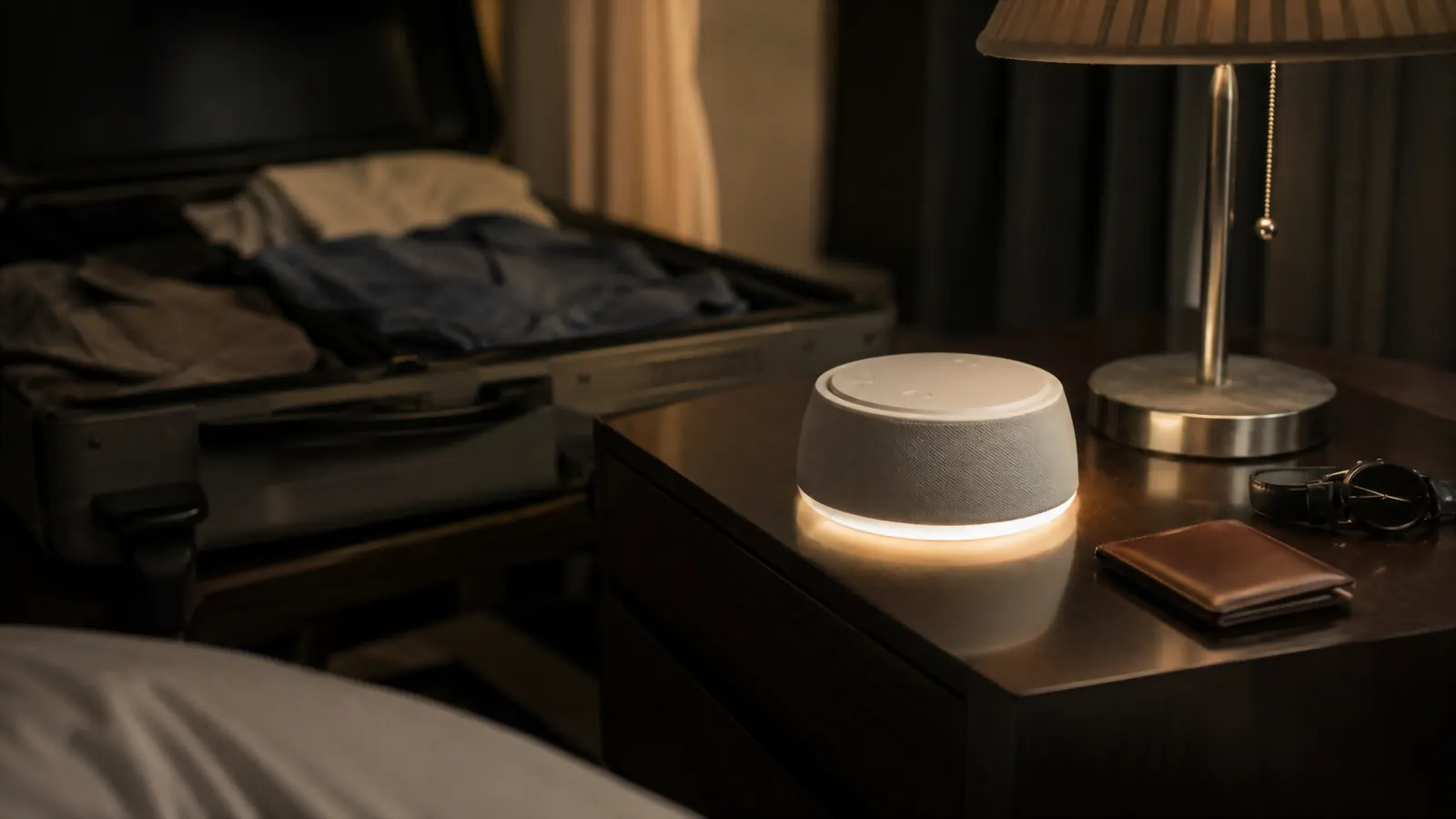
The first time I packed the Dreamegg noise machine, I wasn't buying it for a nursery, whatever the box art suggests. I bought it eleven nights before a stretch that hit four different hotels, one Airbnb with walls I could hear a phone buzzing through, and a red-eye where the guy two rows up wouldn't stop clearing his throat. That was about a year ago now. This isn't a first-week impression. It's what happened after a year of the little white egg going in and out of the same corner of my carry-on, more times than I bothered counting.
Dreamegg builds this primarily for babies, and the marketing leans hard into the nursery angle. Strip that away and what's actually in the box is a small, rechargeable sound machine with 21 sounds on it, a battery that means I'm not hunting for an outlet behind a headboard, and a footprint that slides into a packing cube without taking up the space a full-size speaker would. Dreamegg's rating sits at 4.6 with 10,768 reviews behind it, and after a year of using mine on the road, I understand why, even with a few things I'd change.
The Quick Verdict
A genuinely useful travel tool for anyone who can't sleep through a strange building's noise, held back a little by buttons that are hard to find in the dark.
Amazon Check Today's Price →Still Lying Awake Listening to Someone Else's Hallway?
If a thin hotel wall or a hallway ice machine has ever kept you up past 1am, a dedicated sound machine solves the actual problem instead of asking your phone to do a job it wasn't built for. The Dreamegg runs off its own battery, so it doesn't drain the phone you need for boarding passes and alarms.
Amazon Check Today's Price on Amazon →How I've Used It
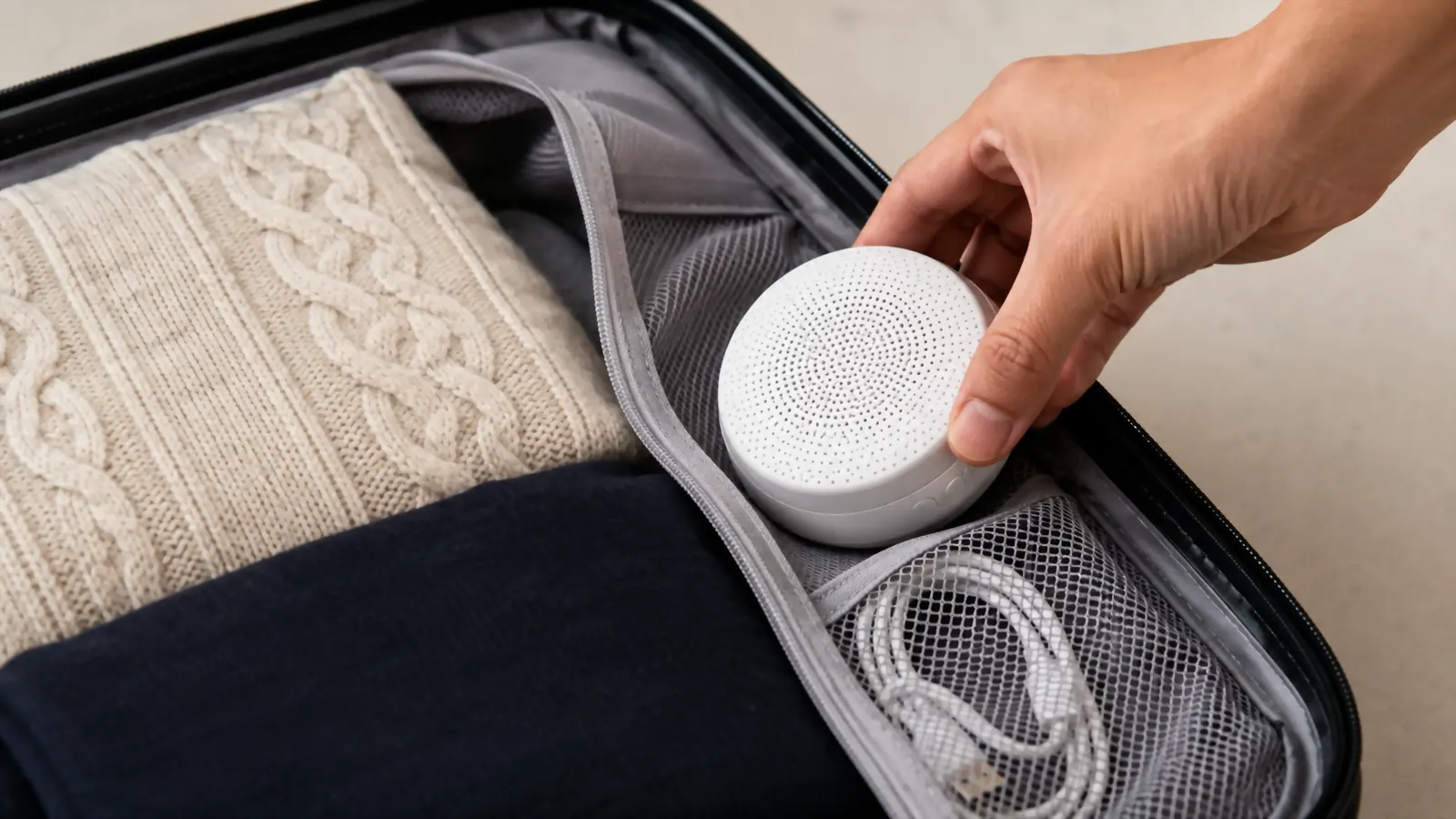
It lives in the same mesh pocket of my packing cube, right next to the charging cable, so packing it is not a decision I make anymore, it's just part of zipping the bag. On a normal trip, four or five nights in a hotel, I set it on the nightstand, pick a sound, and let it run through the night on battery so I don't have to think about where the outlet is. On longer stretches, I plug it in during the day while I'm out and let it top back up, then run it off battery once I'm actually in bed.
The Airbnb stays are where it earns its keep the most. Hotels at least design for some soundproofing. A lot of short-term rentals don't, and I've stayed in more than one converted rowhouse where I could hear the upstairs tenant's footsteps like they were in the room with me. That's the exact situation this thing was built to paper over, and it does the job better than the fan-on-the-floor trick I used for years before this.
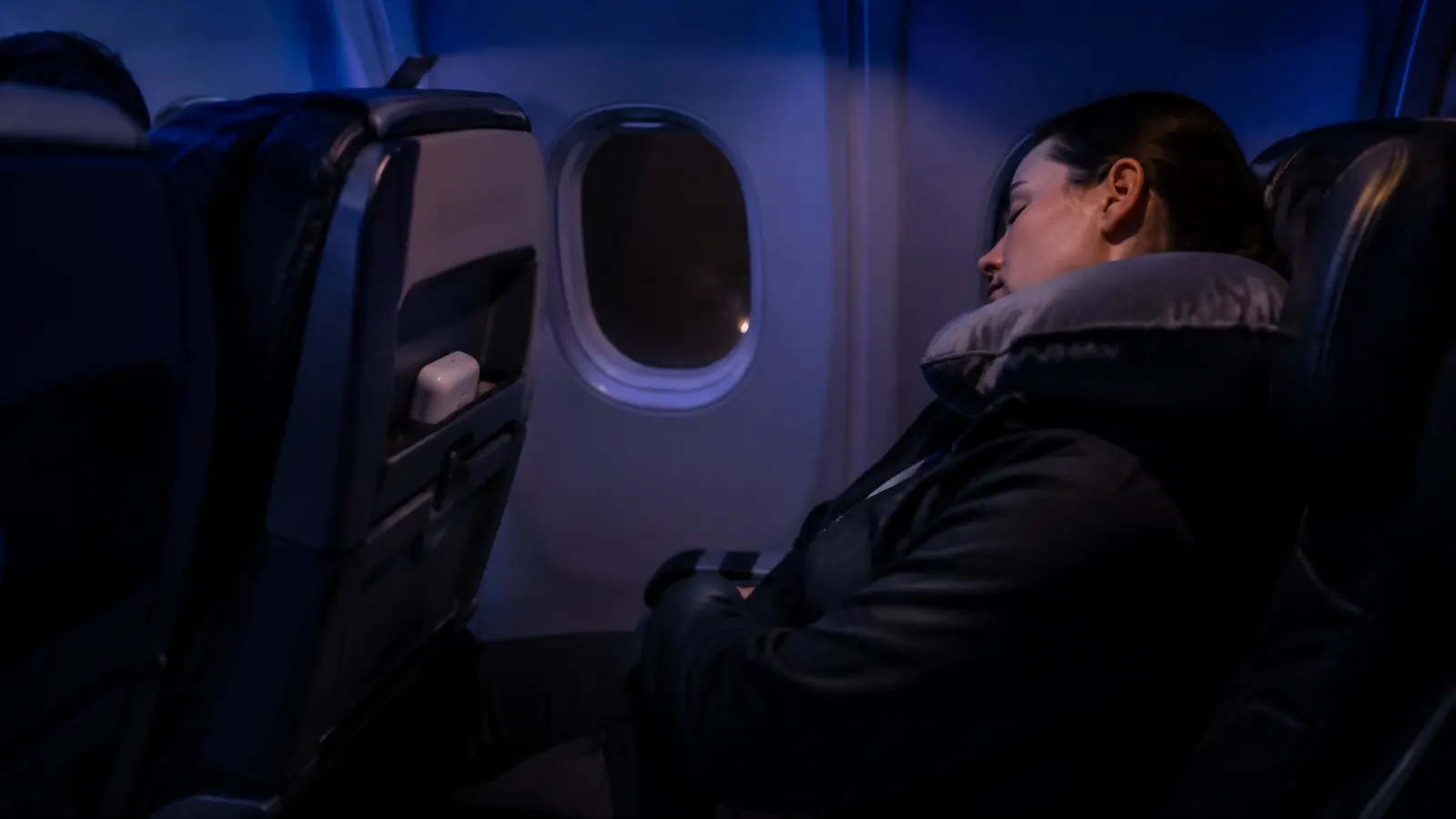
The other regular use case is red-eyes and long-haul flights, where I run it at a lower volume tucked into the seatback pocket with the sound facing up, or just held near my head. It won't drown out a crying kid three rows back the way noise-canceling headphones can, but for the steady drone of engine noise and the guy who won't stop talking to the flight attendant, it takes the edge off enough that I actually fall asleep instead of lying there resenting the situation.
There's one stay I still bring up when people ask why I carry this. It was a converted loft with a bar downstairs, and the bass from the speakers came straight up through the floor until well past midnight. I put the machine on the rain-style sound, set it right on the pillow next to my head, and it was the first night that week I actually slept through until my alarm instead of jolting awake every hour. That's the trip that turned it from a nice-to-have into something I check for before I zip the bag closed.
The 21 Sounds, and Which Ones I Actually Use
Twenty-one sounds is more than I need, and if I'm honest I stopped exploring most of them after the first week. I settled into a rotation of three: something close to a steady fan hum, a rain-style loop, and a flatter white-noise setting that's closest to true static. Those three cover almost every situation I've thrown at it, from a squeaky hotel HVAC system to a street that doesn't quiet down until 2am.
What I didn't expect is how much the sound choice actually matters depending on what you're masking. The fan-style sound works best against mechanical noise, an air conditioning unit, a hallway elevator, that kind of low hum. The rain-style sound does better against sharper, irregular noise, voices through a wall, a dog barking somewhere in the building. I wouldn't have guessed that going in, but a year of trial and error taught me to match the sound to the specific problem instead of picking a favorite and using it everywhere.
There's a decent library of sounds I never touch, and I'm not going to pretend I have an opinion on all 21, because I don't. What matters more to me is that the handful I do use are consistent every single time, no drift, no glitching, no weird audible seam where the loop repeats. A year in, that consistency is still there.
Performance Over a Year of Packing
This is the part that actually matters for a travel review, because anyone can tell you a sound machine sounds fine on day one. What I care about is whether it survives getting shoved into a bag next to a phone charger and a pair of shoes a hundred-plus times. Mine has. The casing shows a little bit of scuffing on one corner from a rougher landing in a backpack, but nothing that affects how it works.
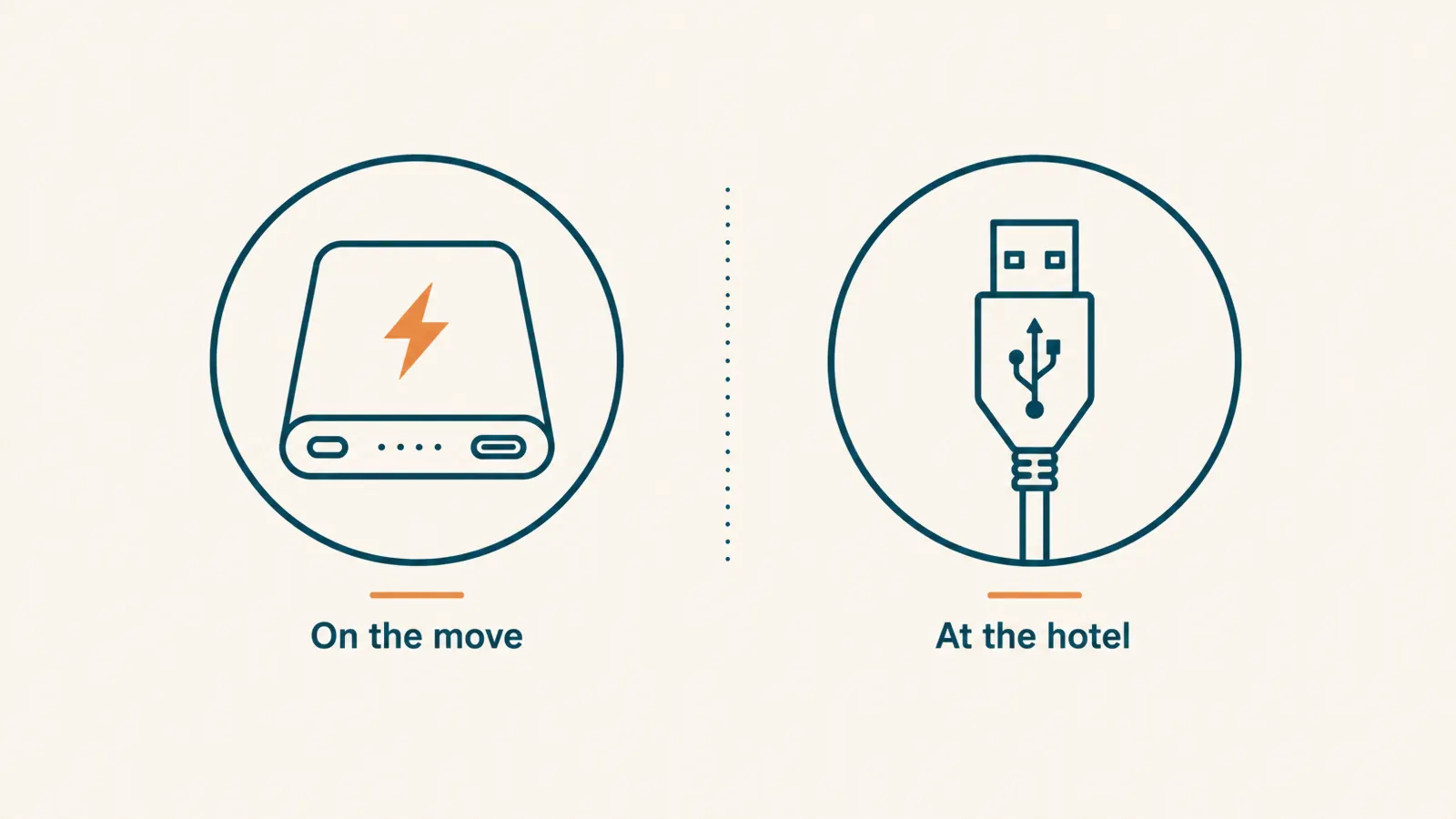
The rechargeable battery has held up the way I'd want it to. I'm not going to put a number on how long a single charge lasts, because I haven't timed it precisely enough to trust my own math, but it has gotten me through overnight stretches without dying on me, and when it's low I just plug it into the same USB brick I'm already using for my phone. That dual power setup, battery when I need it untethered, USB when there's an outlet nearby, is the single feature that's made it worth carrying every trip instead of getting left in a drawer after the first few uses.
The buttons are the one part that's shown wear I actually notice. They still work, but the tactile click isn't as crisp as it was the first month, and finding the right button in a dark, unfamiliar hotel room by feel alone is still something I get wrong more often than I'd like. I've learned the layout by memory at this point, but a first-time user fumbling for the volume button at midnight is a real annoyance, not a hypothetical one.
Who It's Actually Built For, and How I've Repurposed It
Dreamegg is upfront that this is designed with babies in mind, nursery use, sound therapy for a crib, that kind of framing. I don't have a baby with me on the road, so I've effectively repurposed a nursery product into a travel tool, and I think that's a completely reasonable thing to do. The features that make it good for a nursery, portability, no cord dependency, simple sound looping, are the same features that make it good for a hotel room or a red-eye seat.
If anything, I think the travel use case is underrated relative to how the product is marketed. A baby's nursery is usually a controlled environment with one fixed outlet and one fixed noise problem. A traveler's environment changes every single night, different wall thickness, different HVAC hum, different neighbor. The flexibility Dreamegg built in for nursery use, battery power and a wide sound selection, happens to solve a much messier, more variable problem for someone like me.
Where It Falls Short
The control layout is my biggest gripe, and it hasn't gotten meaningfully better with a year of muscle memory. In full daylight it's simple. At 11pm in an unfamiliar hotel room, going strictly by feel because I don't want to turn on a lamp and wake myself up more, I still occasionally hit the wrong button and jump straight to a sound I didn't want.
The clip-and-carry situation is another. It has no built-in strap or clip, so on flights I either hold it, wedge it into the seatback pocket, or balance it in the little cupholder if the seat has one. A small carabiner loop would have made this a non-issue, and it's the kind of small oversight that shows up more the longer you actually travel with something instead of just testing it at home for a weekend.
I'd also say the volume ceiling matters less than I expected going in. This isn't a machine built to compete with loud, sustained noise, a jackhammer outside your window, a bar that doesn't close. It's built to smooth over ambient, steady background sound. If your actual problem is something loud and sharp, a good pair of earplugs is going to do more for you than this will.
What I Liked
- Runs on battery so it's not tied to an outlet or your phone
- Small enough to slide into a packing cube without stealing space
- 21 sound options means you can usually find something that fits the specific noise problem
- Held up through a year of regular packing with only minor cosmetic wear
- Also charges over USB, so it fits into the same charging routine as your other devices
Where It Falls Short
- Buttons are hard to find and identify by feel in a dark room
- No built-in clip or strap for securing it to a seatback or bag
- Not loud enough to mask sharp, sustained noise like construction or a rowdy bar
- Marketed mainly toward nurseries, so some sound options fit a crib better than a hotel room
The single feature that's kept it in my bag for a year isn't any one of the 21 sounds. It's that it doesn't care whether there's an outlet nearby.
Alternatives I Considered Before Buying
Before this, my go-to was a white noise app on my phone, and I used one for close to two years on the road. It worked, technically, but it came with tradeoffs I got tired of. Running an app all night drains a phone battery I need for an alarm and boarding passes the next morning, and any incoming call or notification breaks the loop, sometimes waking me up more than the original noise problem did.
I also tried the low-tech version, a bathroom fan left running or a folded towel under the door, and both are fine in a pinch but neither is something you can actually pack and control. A dedicated device that does one job, plays a consistent sound all night without touching my phone, ended up being worth the extra item in the bag once I compared a year of each approach side by side.
I even considered just buying a second, cheaper generic sound machine instead of this one. What kept me on the Dreamegg was the combination of the two things that matter most for how I actually travel: real battery independence and a rating built on a review count large enough, 10,768 of them, that I trusted it wasn't a fluke of a few happy nursery reviewers. A year later that trust has held up.
Who This Is For
This makes sense for anyone who travels often enough that hotel and Airbnb noise is a recurring problem rather than a one-off annoyance. If you're the kind of traveler who's tried the phone-app workaround and gotten tired of it eating battery and getting interrupted by calls, this solves that specific frustration directly. It's also a solid fit if you split time between short hotel stays and longer sublet stretches, since the USB charging option means it works either way, battery on the move, plugged in when you're settled somewhere for a few days.
Who Should Skip It
If your sleep problem is loud, specific noise, construction outside your window, a travel partner who snores, this isn't going to solve it on its own, and a good pair of earplugs will do more for less bag space. And if you already sleep fine anywhere and have never once lain awake because of a hallway or a thin wall, you don't need to add another item to your packing list just because it worked for someone else.
A Year In, It's Still the First Thing I Pack
I've replaced plenty of travel gear that didn't survive real use. This is one of the few things that's stayed in the same pocket of my bag for a year straight without me thinking twice about whether to bring it.
Amazon Check Today's Price on Amazon →